
Online Counselling in Delta, BC
Online Counselling Helps Delta Residents Build Lasting Change.
Counsel Me Vancouver provides secure online counselling for Delta, BC individuals and couples — helping clients build practical strategies for their specific concerns.
$160–$195 per individual session, $225–$240 per couples session · Free 15–20 minute consultation · Direct billing to most extended health plans
- Registered Clinical Counsellors — Master's-level training in every session
- Secure Video Platform — encrypted, confidential sessions
- 50–60 Minute Sessions — the same structure as in-person counselling
- Delta, BC — ~30 min drive
Yes, Counsel Me Vancouver works with Delta, BC individuals and couples by secure video, with no travel required.
What Brings Delta Residents to Online Counselling
Flexible virtual therapy sessions for individuals and couples. Residents of Delta, BC often manage these concerns alone for months before seeking support.
3 Steps to Get Started From Delta, BC
- 01Schedule a Free Consultation
Delta, BC — ~31 km. ~30 min drive. Book directly through the online JaneApp scheduling system.
- 02Meet Your Counsellor
Discuss your concerns and get matched with the right modality.
- 03Build Lasting Change
Attend regular sessions, in person or by video from Delta.
What Changes for Delta Clients
Delta clients build practical, lasting change through Online Counselling tailored to their specific concerns. Support continues in person at Floor 1, The Electra, 970 Burrard Street, Vancouver or virtually across BC, so care continues without requiring a change in counsellor.
Online Counselling for Delta Clients
Sessions run by secure video from home, with no travel and the same evidence-based approaches as in-person counselling. Delta clients also have the option of in-person sessions at our downtown Vancouver office.
In-person option: getting to our Vancouver office from Delta
The office is at Floor 1, The Electra, 970 Burrard Street, Vancouver. Delta is about 31 km away, about 30 min drive.
See all Metro Vancouver communities.
Community Resources Near Delta
These organizations serve Delta and are listed for reference. Counsel Me Vancouver has no partnership with them, and eligibility and services vary by organization.
View community resources near Delta (1)
- Deltassist Family and Community Services Society: one of 44 organizations funded through BC's Community Counselling Fund (2025-26 grants). Source
Meet the Counsellors
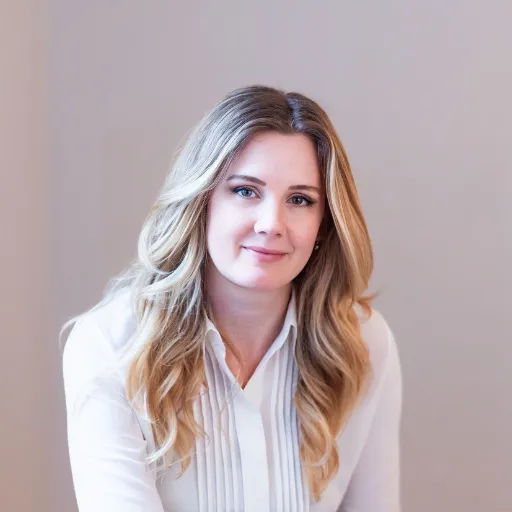
Erica Beauchamp
M.Ed., RCC, Gottman Level 3
“Counselling, when done well, gives you the tools to heal faster and prevent old patterns from returning.”

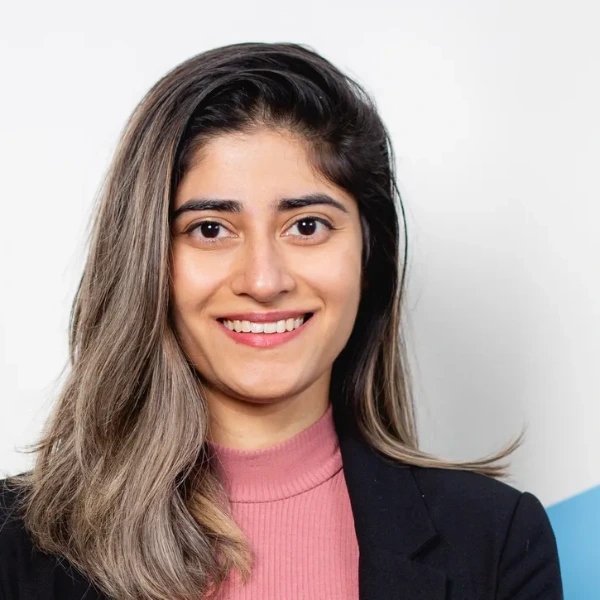
Huda Sajjad
MA, MSc, RCC
“I am passionate about creating a safe, supportive space where you feel empowered to explore, heal, and build resilience for a healthier future.”
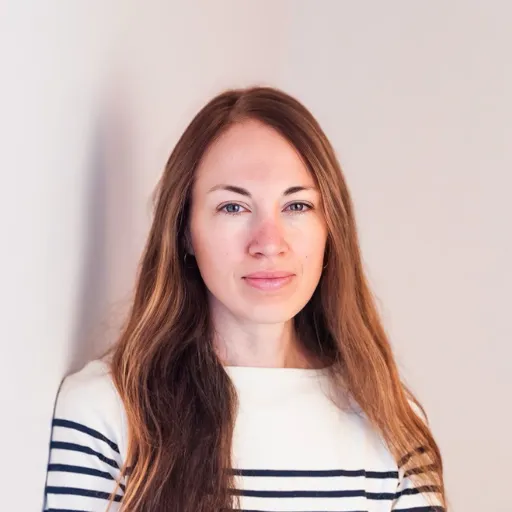
Jessica-Ann Dozois
MSW, RSW, CVRP
“Together, we'll work to chart a new and fulfilling path forward — one built on respect, compassion, and practical strategies for real change.”
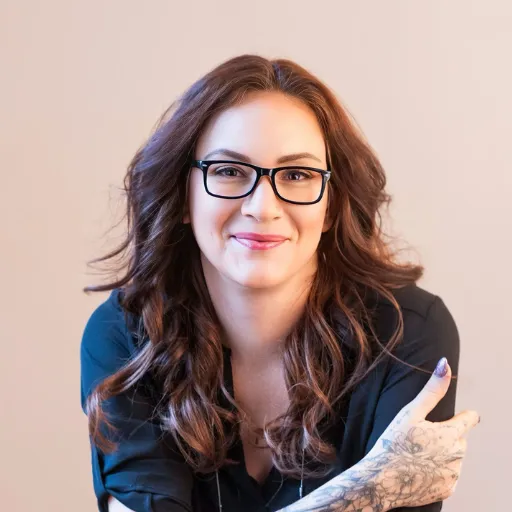
Katharine Harrison
MC, RCC
“I am fascinated by the multi-dimensionality of human experience and am passionate about helping clients find greater alignment between their needs, boundaries, values, hopes and dreams.”
Start Online Counselling in Delta, BC
Meet with a Registered Clinical Counsellor serving Delta clients across BC.
Request My Free ConsultationFrequently Asked Questions
What is online counselling?
Online counselling, also called virtual or telehealth counselling, is a therapeutic process delivered over a secure video platform rather than in an office. A Registered Clinical Counsellor applies the same evidence-based modalities used in person, adapted for video delivery.
How does online counselling work?
Online counselling works through a secure, encrypted video link sent ahead of a scheduled appointment. The client joins from a private space using a device with a camera and microphone, and the session proceeds on the same 50 to 60 minute structure as an in-person appointment.
What technology is needed for online counselling?
Online counselling requires a device with a camera and microphone, such as a laptop, tablet, or smartphone, along with a stable internet connection and a private, quiet space. No specialized equipment is required.
Is online counselling private and secure?
Online counselling sessions are delivered through an encrypted, secure video platform designed to protect client confidentiality, consistent with the same professional confidentiality standards that apply to in-person sessions.
How much does online counselling cost?
Online counselling costs typically range from $160 to $195 per 50 to 60 minute session, the same rate structure that applies to in-person sessions, varying by counsellor. Many extended health insurance plans cover sessions delivered by a Registered Clinical Counsellor. View the Session Rates page for current pricing at Counsel Me Vancouver.
Is online counselling as effective as in-person counselling?
Online counselling delivers the same therapeutic modalities and the same counsellor continuity as in-person counselling for most presenting concerns. Effectiveness depends more on the therapeutic relationship and the modality applied than on the format of delivery.
Does Counsel Me Vancouver serve Delta, BC?
Yes. Counsel Me Vancouver provides Online Counselling to Delta clients in person at Floor 1, The Electra, 970 Burrard Street, Vancouver or virtually across BC. Delta, BC — ~31 km. ~30 min drive.
How does Online Counselling work for Delta clients?
Sessions run by secure video from home with no travel, using the same structure as in-person counselling. Delta clients also have the option of in-person sessions at our downtown Vancouver office, which is about 31 km from Delta, about 30 min drive.
How far is Delta from the Vancouver office?
Delta is about 31 km from our downtown Vancouver office, about 30 min drive. Video sessions need no travel.
Cities We Serve for Online Counselling
Kootenays Cities
- Castlegar BC Online Counselling
- Cranbrook BC Online Counselling
- Fernie BC Online Counselling
- Grand Forks BC Online Counselling
- Greenwood BC Online Counselling
- Kimberley BC Online Counselling
- Nelson BC Online Counselling
- Revelstoke BC Online Counselling
- Rossland BC Online Counselling
- Trail BC Online Counselling
Metro Vancouver Cities
- Burnaby BC Online Counselling
- Coquitlam BC Online Counselling
- Delta BC Online Counselling
- Langley BC Online Counselling
- Maple Ridge BC Online Counselling
- New Westminster BC Online Counselling
- North Vancouver BC Online Counselling
- Pitt Meadows BC Online Counselling
- Port Coquitlam BC Online Counselling
- Port Moody BC Online Counselling
- Richmond BC Online Counselling
- Surrey BC Online Counselling
- Vancouver BC Online Counselling
- White Rock BC Online Counselling