
LGBTQ+ Counselling in North Vancouver, BC
LGBTQ+ Counselling Helps North Vancouver Residents Build Lasting Change.
Counsel Me Vancouver provides virtual LGBTQ-affirmative therapy for North Vancouver, BC LGBTQ+ clients, with in-person sessions at its downtown Vancouver office — helping clients build practical strategies for navigating disclosure, family relationships, and minority stress.
$160–$195 per session · Free 15–20 minute consultation · Direct billing to most extended health plans
- Registered Clinical Counsellors — Master's-level, affirming training
- LGBTQ-Affirmative Therapy — an identity-affirming, non-pathologizing approach
- 50–60 Minute Sessions — in person or by video
- North Vancouver, BC — ~20 min drive
Yes, Counsel Me Vancouver works with North Vancouver, BC LGBTQ+ clients on LGBTQ-affirmative therapy by video, or in person at our downtown Vancouver office.
What Brings North Vancouver Residents to LGBTQ+ Counselling
Support for individuals navigating issues related to sexuality, sexual orientation, and intimacy concerns. Residents of North Vancouver, BC often manage these concerns alone for months before seeking support.
3 Steps to Get Started From North Vancouver, BC
- 01Schedule a Free Consultation
North Vancouver, BC — ~16 km. ~20 min drive. Book directly through the online JaneApp scheduling system.
- 02Meet Your Counsellor
Discuss your concerns and get matched with the right modality.
- 03Build Lasting Change
Attend regular sessions, in person or by video from North Vancouver.
What Changes for North Vancouver Clients
North Vancouver clients build practical, lasting change through LGBTQ+ Counselling tailored to their specific concerns. Support continues in person at Floor 1, The Electra, 970 Burrard Street, Vancouver or virtually across BC, so care continues without requiring a change in counsellor.
LGBTQ+ Counselling for North Vancouver Clients: Video or In Person
North Vancouver clients meet with the same counsellors by secure video from home, or in person at our downtown Vancouver office. Video sessions use the same evidence-based approaches as in-person sessions and need no travel.
In-person option: getting to our Vancouver office from North Vancouver
The office is at Floor 1, The Electra, 970 Burrard Street, Vancouver. North Vancouver is about 16 km away, about 20 min drive.
See all Metro Vancouver communities.
Community Resources Near North Vancouver
These organizations serve North Vancouver and are listed for reference. Counsel Me Vancouver has no partnership with them, and eligibility and services vary by organization.
View community resources near North Vancouver (5)
- North Shore Pride at the Pier: Pride organization listed by What's On Queer BC.
- Foundry North Shore: health and wellness services for youth ages 12-24 and their families.
- Canadian Mental Health Association - North Vancouver and West Vancouver: one of 44 organizations funded through BC's Community Counselling Fund (2025-26 grants). Source
- Family Services of the North Shore: one of 44 organizations funded through BC's Community Counselling Fund (2025-26 grants). Source
- Turning Point Recovery Society: one of 44 organizations funded through BC's Community Counselling Fund (2025-26 grants). Source
Meet the Counsellors
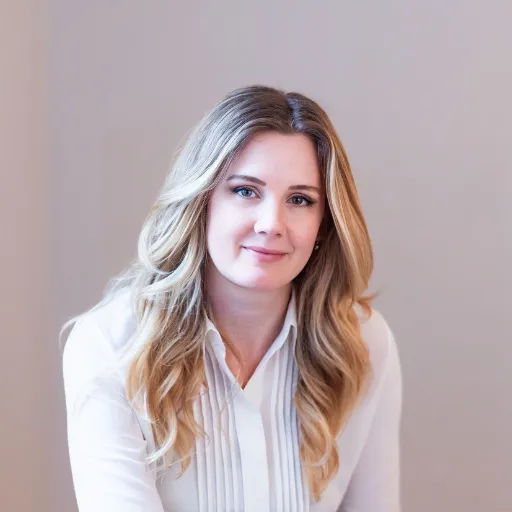
Erica Beauchamp
M.Ed., RCC, Gottman Level 3
“Counselling, when done well, gives you the tools to heal faster and prevent old patterns from returning.”
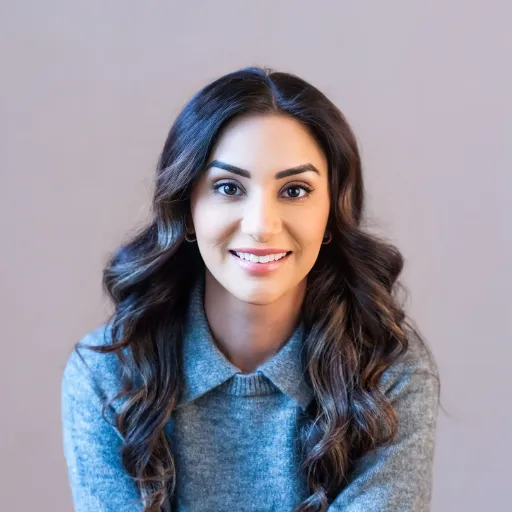
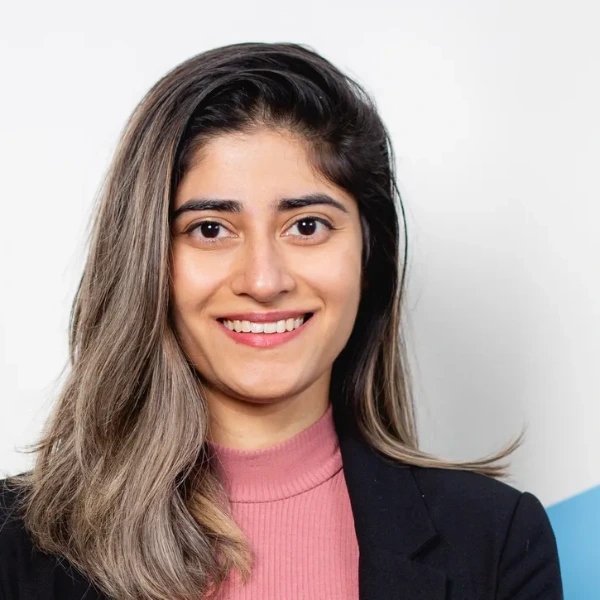
Huda Sajjad
MA, MSc, RCC
“I am passionate about creating a safe, supportive space where you feel empowered to explore, heal, and build resilience for a healthier future.”
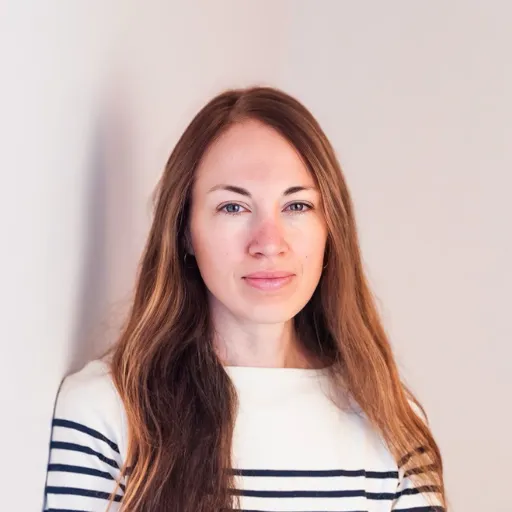
Jessica-Ann Dozois
MSW, RSW, CVRP
“Together, we'll work to chart a new and fulfilling path forward — one built on respect, compassion, and practical strategies for real change.”
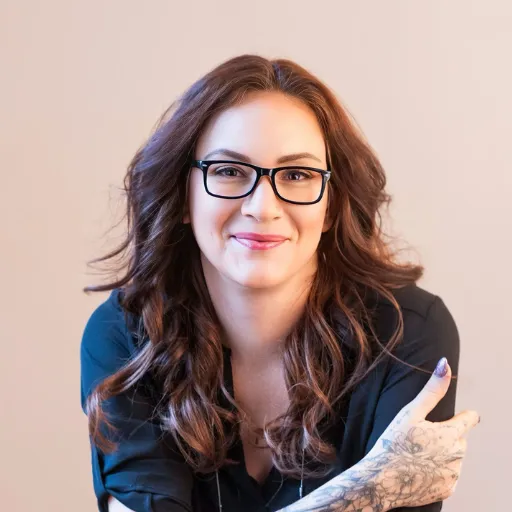
Katharine Harrison
MC, RCC
“I am fascinated by the multi-dimensionality of human experience and am passionate about helping clients find greater alignment between their needs, boundaries, values, hopes and dreams.”
Start LGBTQ+ Counselling in North Vancouver, BC
Meet with a Registered Clinical Counsellor serving North Vancouver clients across BC.
Request My Free ConsultationFrequently Asked Questions
What is LGBTQ+ counselling?
LGBTQ+ counselling, also called LGBTQ-affirmative therapy, is a therapeutic process that supports individuals navigating concerns related to sexual orientation, gender identity, and intimacy. A Registered Clinical Counsellor applies an affirming therapeutic stance that treats a client's identity as a normal variation rather than a problem to address.
What makes a counsellor LGBTQ+ affirming?
An LGBTQ+ affirming counsellor applies a therapeutic stance that respects a client's sexual orientation and gender identity as valid and does not treat identity itself as a clinical concern, informed by specific attention to minority stress and identity-related family dynamics.
What does LGBTQ+ counselling address?
LGBTQ+ counselling addresses coming out, family relationship strain following a disclosure, minority stress from discrimination or non-affirming environments, identity-related isolation, and relationship or intimacy concerns.
How much does LGBTQ+ counselling cost?
LGBTQ+ counselling costs typically range from $160 to $195 per 50 to 60 minute session, varying by counsellor. Many extended health insurance plans cover sessions delivered by a Registered Clinical Counsellor. View the Session Rates page for current pricing at Counsel Me Vancouver.
What happens in a first LGBTQ+ counselling session?
A first session establishes the client's presenting concerns, relevant history, and initial goals. The counsellor explains their affirming therapeutic approach and begins identifying the specific support the client needs.
Is LGBTQ+ counselling only for people navigating a coming-out process?
No. LGBTQ+ counselling addresses a range of concerns beyond coming out, including ongoing family relationship dynamics, minority stress, identity-related isolation, and relationship or intimacy concerns.
Does Counsel Me Vancouver serve North Vancouver, BC?
Yes. Counsel Me Vancouver provides LGBTQ+ Counselling to North Vancouver clients in person at Floor 1, The Electra, 970 Burrard Street, Vancouver or virtually across BC. North Vancouver, BC — ~16 km. ~20 min drive.
Can I attend LGBTQ+ Counselling by video from North Vancouver?
Yes. North Vancouver clients meet with Counsel Me Vancouver counsellors by secure video from home, with no travel. In-person sessions are also available at the downtown Vancouver office, which is about 16 km from North Vancouver, about 20 min drive.
How far is North Vancouver from the Vancouver office?
North Vancouver is about 16 km from our downtown Vancouver office, about 20 min drive. Video sessions need no travel.
Is there a Pride organization in North Vancouver?
North Shore Pride at the Pier is listed by What's On Queer BC as North Vancouver Pride organizations.
Is there a Foundry centre in North Vancouver?
Foundry North Shore, in North Vancouver, provides health and wellness services for youth ages 12-24 and their families.
Cities We Serve for LGBTQ+ Counselling
Kootenays Cities
- Castlegar BC LGBTQ+ Counselling
- Cranbrook BC LGBTQ+ Counselling
- Fernie BC LGBTQ+ Counselling
- Grand Forks BC LGBTQ+ Counselling
- Greenwood BC LGBTQ+ Counselling
- Kimberley BC LGBTQ+ Counselling
- Nelson BC LGBTQ+ Counselling
- Revelstoke BC LGBTQ+ Counselling
- Rossland BC LGBTQ+ Counselling
- Trail BC LGBTQ+ Counselling
Metro Vancouver Cities
- Burnaby BC LGBTQ+ Counselling
- Coquitlam BC LGBTQ+ Counselling
- Delta BC LGBTQ+ Counselling
- Langley BC LGBTQ+ Counselling
- Maple Ridge BC LGBTQ+ Counselling
- New Westminster BC LGBTQ+ Counselling
- North Vancouver BC LGBTQ+ Counselling
- Pitt Meadows BC LGBTQ+ Counselling
- Port Coquitlam BC LGBTQ+ Counselling
- Port Moody BC LGBTQ+ Counselling
- Richmond BC LGBTQ+ Counselling
- Surrey BC LGBTQ+ Counselling
- Vancouver BC LGBTQ+ Counselling
- White Rock BC LGBTQ+ Counselling